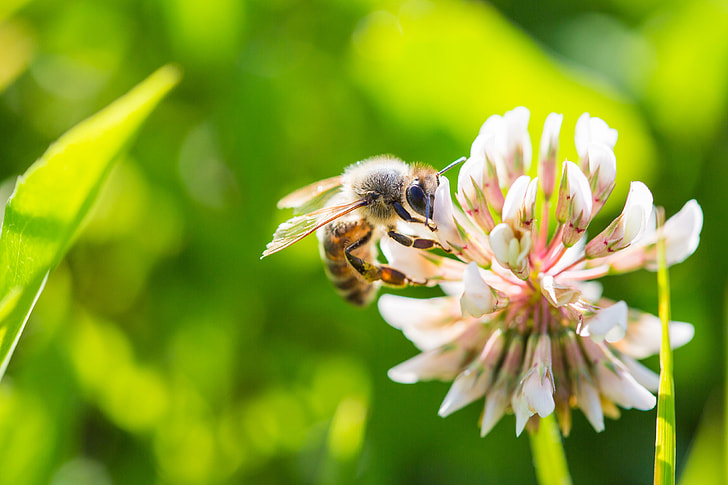
Not everyone has space for a beehive at home, but almost everyone can make room for bees. Whether you have a large garden, a small yard, a balcony, or just a window box, you can create a bee-friendly space through bee-friendly planting – and it matters more than you might think.
Why Bees Need Our Help
Bees are some of the hardest-working creatures on the planet. They pollinate a huge amount of the food we eat – fruit, vegetables, nuts, and seeds – as well as the wildflowers and trees that make our landscapes so colourful and diverse. Without them, our plates and our countryside would look very different.
But bees are under real pressure. Habitat loss, heavy use of pesticides, climate change, and a lack of flowers throughout the year all make life harder for them. The good news is that we don’t have to wait for big organisations to act. Every person with even a tiny bit of outdoor space can help by planting for bees.
A Bee Garden Can Be Any Size
For bees, a “garden” isn’t defined by fences or square footage. It’s simply anywhere they can:
- Find nectar and pollen
- Rest and shelter
- Avoid harmful chemicals
That might be:
- A traditional back garden
- A front doorstep with a couple of pots
- A balcony lined with planters
- A single window box spilling over with flowers
If you can grow a plant, you can grow a bee-friendly garden.

Balcony and Window Box Bee Havens
If you only have a balcony or windowsill, you’re still perfectly placed to help – especially in towns and cities, where flower-rich spaces can be scarce. With the right planting, your small space can become a vital refuelling stop.
1. Choose nectar-rich plants
Look for simple, open flowers where bees can easily reach the nectar and pollen. Highly bred, double “pom-pom” blooms often offer very little food. Good choices for pots and boxes include:
- Lavender – hardy, fragrant, and much loved by bees
- Herbs such as thyme, rosemary, sage, chives, mint, and oregano
- Borage – often buzzing with bees when in flower
- Cosmos, marigolds, and calendula – bright, easy to grow from seed
- Heathers – useful for early or late-season forage
Mix a few different types so there is something in bloom for as long as possible.
2. Aim for flowers across the seasons
Bees need food from early spring right through to autumn. Try to include:
- Early flowers – crocus, hellebore, lungwort, primroses, and early-flowering herbs
- Summer stars – lavender, borage, cosmos, catmint, and dwarf sunflowers for pots
- Late-season food – sedum, asters, heather, ivy flowers, and late-blooming herbs
Even a single window box, planted with early bulbs followed by summer annuals, can make a real difference.
3. Use whatever containers you have
Bees aren’t fussy about what their flowers grow in. You can use:
- Window boxes and hanging baskets
- Old tubs, buckets, or crates (with drainage holes)
- Railing planters on balconies
The essentials are good compost, plenty of light, and regular watering.
4. Skip the chemicals
It’s not just about the flowers – it’s about safe flowers. Avoid pesticides, especially insecticides. Deal with pests by hand where you can or use gentler methods, like a mild soapy water spray for aphids. Choosing peat-free compost also helps protect wider wildlife habitats. Your balcony or window box can become a small but important chemical-free oasis.
Bigger Gardens, Bigger Impact
If you’re lucky enough to have more space, you can go further – but the principles are the same.
- Plant a range of bee-friendly shrubs and perennials such as buddleia, catmint, foxglove, sage, hardy geraniums, and fruit trees.
- Leave a “wild” corner where grass grows longer, dandelions and clover can flower, and leaves and hollow stems are left for nesting and shelter.
- Mow less often so lawn flowers can bloom between cuts.
- Add a shallow dish of water with pebbles so bees can drink without drowning.
Even then, size isn’t everything. A dozen good nectar plants in a small space are still incredibly useful.
Plan Now, Bloom Later
Bee-friendly planting works best when you think a season ahead, so autumn and winter are ideal times to plan.
- Winter – planning and preparation
Use the colder months to decide what you’ll grow. Make a list of plants that will flower in early spring, summer, and autumn so bees have food across the year. Order seeds and plants, sketch out beds or container layouts, and prepare any new areas. - Early spring – planting and early colour
Plant hardy perennials, shrubs, and summer-flowering bulbs. Focus on early nectar sources like crocus, hellebore, lungwort, willow, and flowering currant to support bees as they first emerge. - Late spring and summer – filling in and feeding
Sow and plant annuals and nectar-rich favourites such as lavender, cosmos, borage, and sunflowers. This is when your bee garden really comes to life and you can see which plants the bees love most. - Early autumn – long-term planting
Plant perennials, bulbs, and flowering shrubs so they can establish over winter and be ready for next year. It’s also a good moment to let some areas go a bit “messy” – seed heads, long grass, and leaf litter all provide shelter for insects. Focus on early nectar sources like crocus when choosing bulbs.
Whatever the season, aim for continuous bloom. Try to have something flowering from February to October if you can, minimise pesticide use, and leave a few untidy corners for nesting and overwintering. For help choosing the best plants, the RHS have pollinator friendly advice.
A Small Act with a Big Buzz
Planting a bee-friendly garden, however small, is a quiet but powerful act. Every extra flower is another meal for a bee. Every pesticide-free pot is a safe landing place. Every balcony, courtyard, and windowsill can become part of a wider patchwork of habitat.
So whether you have a large garden, a modest yard, a balcony, or just a window box, fill it with bee-friendly flowers and welcome the buzz. Your space may seem small – but to a bee, it could be exactly what they need